What Questions Should Leaders Ask Before Going to War?
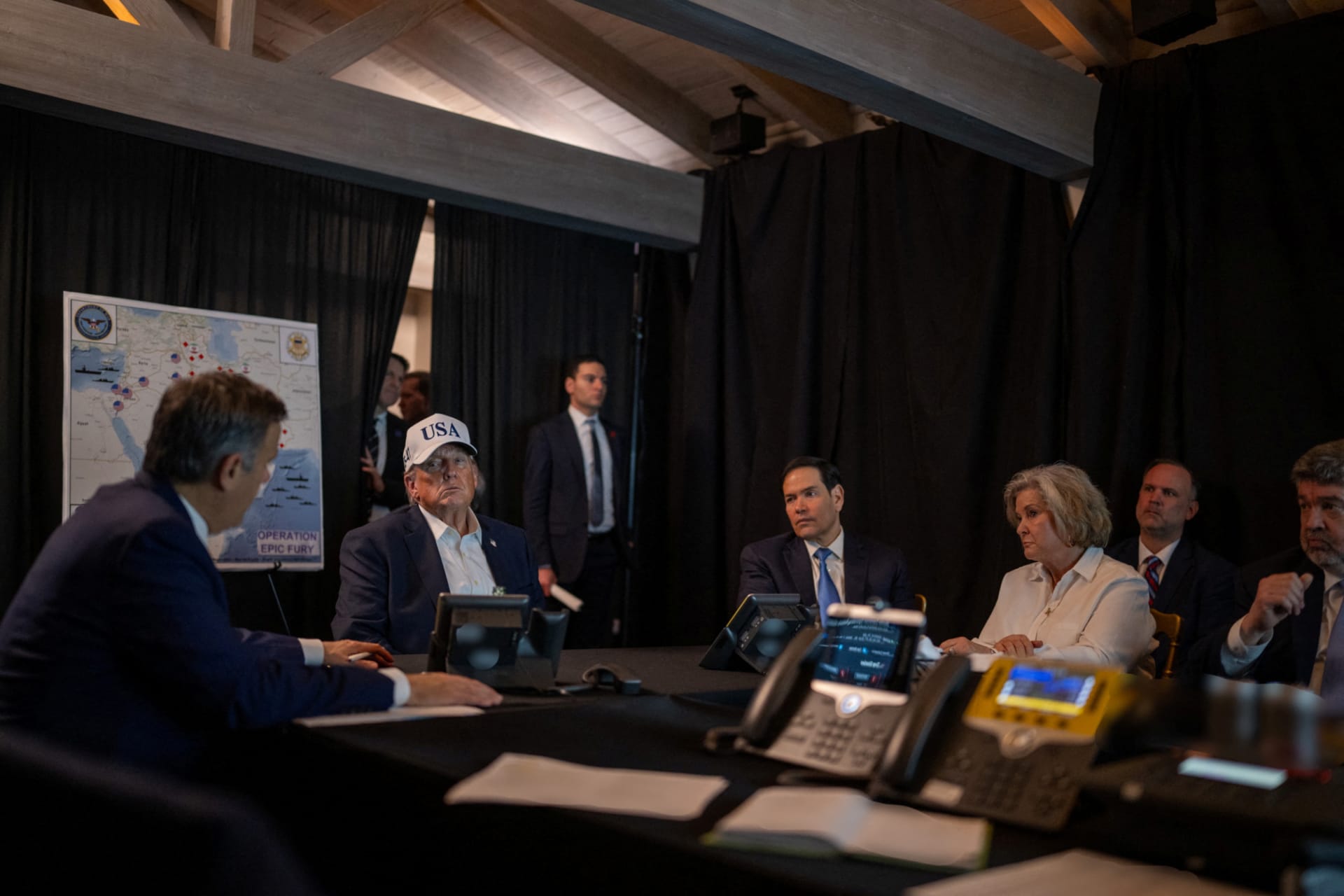
Operation Epic Fury followed a historically familiar pattern: the United States opted for military force without carefully weighing the potential consequences.
By experts and staff
- Published
 James M. LindsayCFR ExpertMary and David Boies Distinguished Senior Fellow in U.S. Foreign Policy
Historians will be unkind to President Donald Trump’s decision to launch Operation Epic Fury, which has just entered its eighth month. His administration never fully vetted the war it was launching, never decided what it was seeking to accomplish, and never asked how Iran could try to neutralize the U.S. military’s overwhelming edge. The United States now finds itself in a quagmire that has demonstrated the limits of U.S. power, exposed the Achilles’ heel of a U.S. defense strategy built on small numbers of hard-to-replace weapons, and potentially emboldened U.S. adversaries.
But Trump is hardly the first U.S. president to launch a war confident of quick success. The United States declared war on Britain in 1812, convinced that, as Thomas Jefferson put it, “the acquisition of Canada . . . will be a mere matter of marching.” British Canada resisted conquest, Washington was sacked and burned, and the United States was nearly torn asunder.
President James K. Polk anticipated a swift victory over Mexico in 1846. Instead, the war dragged on for nearly two years despite decisive U.S. battlefield victories. Seven decades later, Woodrow Wilson ordered an invasion of Veracruz, Mexico, that he thought Mexicans would cheer. They didn’t. He quickly reversed course. More recently, wars in Vietnam, Afghanistan, and Iraq mired the United States in years of fighting that drained American blood and treasure. Smaller interventions in Somalia, Serbia, and Libya also stretched on longer than expected and produced debatable results.
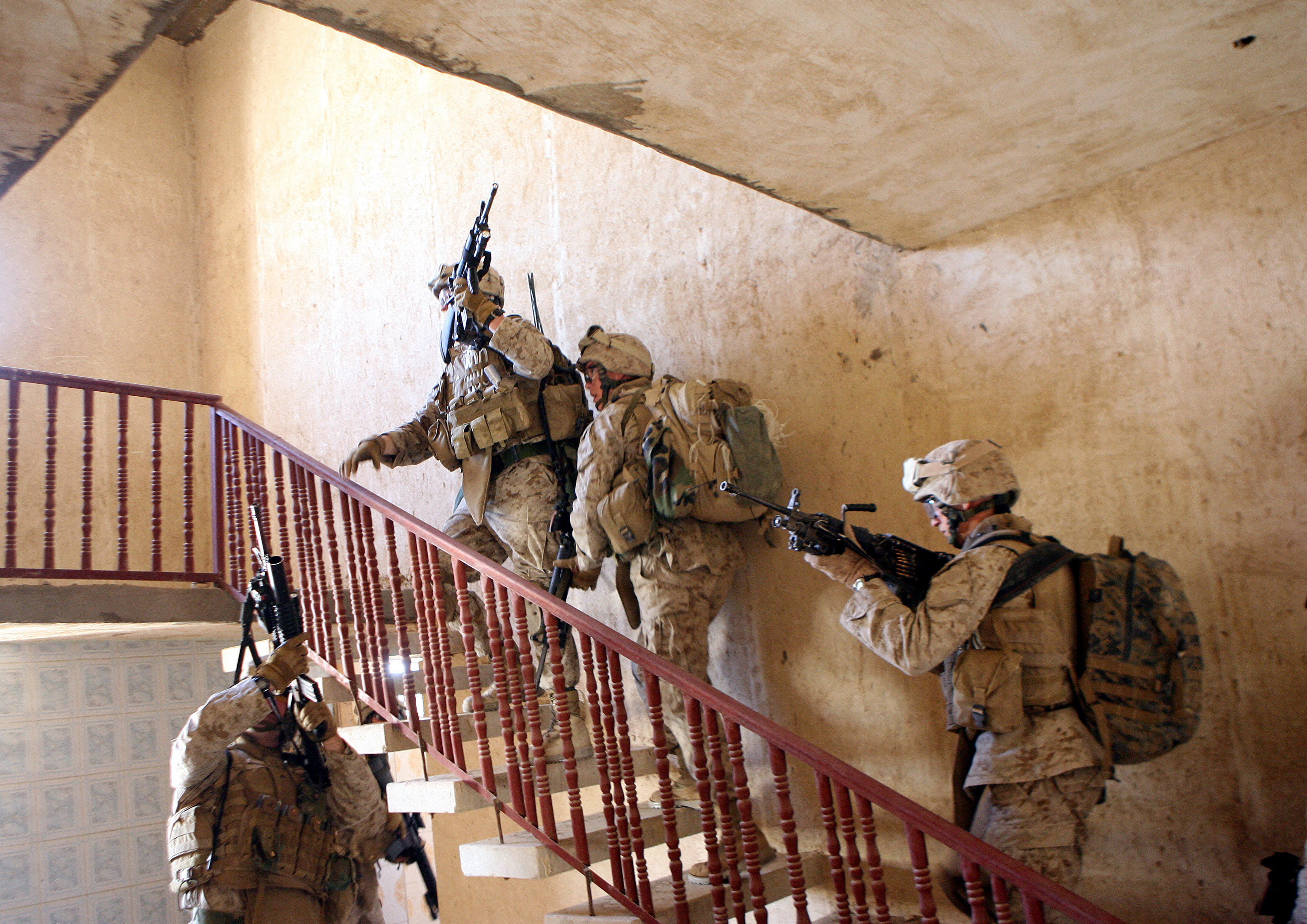
In a bit of historical irony, the one major war the United States won quickly and decisively—the Spanish-American War, or what one secretary of state called “a splendid little war”—triggered a protracted guerrilla war in the Philippines, a country that few Americans could have found on a map before the war’s start.
That track record had me thinking about the questions Americans should ask themselves before using military force. By chance, Eliot Cohen, a leading thinker on military strategy, is out with a new book in October titled The Strategist: How to Think About War and Politics. Eliot is the Arleigh A. Burke Chair in Strategy at the Center for Strategic and International Studies and has held numerous national security positions in the U.S. government.
I asked Eliot to join me on the latest episode of The President’s Inbox podcast. I wanted to get his thoughts on why policymakers often misread situations that look blindingly obvious in retrospect and how they can better learn the lessons of history.
[Video: https://vimeo.com/1231847749]
Eliot and I covered a range of issues. Here are my three main takeaways:
1. Successful military strategies are hard to devise. U.S. leaders are not alone in sometimes ruing their decisions to use military force. History is replete with examples of leaders who have taken their countries to war expecting quick victories only to find themselves bogged down in protracted conflicts. Russian President Vladimir Putin is a good example. He expected his invasion of Ukraine to last mere days. Four and a half years later, he has cycled through several theories of victory without getting any closer to achieving his aims. Disappointment seems more common than satisfaction.
2. Chance partly explains why initial expectations are often disappointed, but a more decisive factor is the failure of policymakers to ask tough questions before military operations begin. Military professionals like to say that “no plan survives first contact with the enemy.” (Or as Mike Tyson put it, “Everyone has a plan until they get punched in the face.”) As Eliot noted, surprise is “ubiquitous” in warfare. Military leaders who excelled in one context fail in another. Adversaries unleash novel tactics. Bad weather, logistical snafus, and new technologies often scramble what seemed to be a clear path to victory.
But more fundamentally, political leaders frequently assume things will go their way, and neglect to ask tough questions about what they are seeking to do and whether they can accomplish it at an acceptable cost on an acceptable timeline. Staff members often decline to challenge their boss’s instincts and claims. Add in crisis-induced stress that degrades judgment, the tendency of colleagues to engage in groupthink, and the habit of bureaucracies to operate according to their own rhythms, and it is easy to see why government decisions often miss the mark.
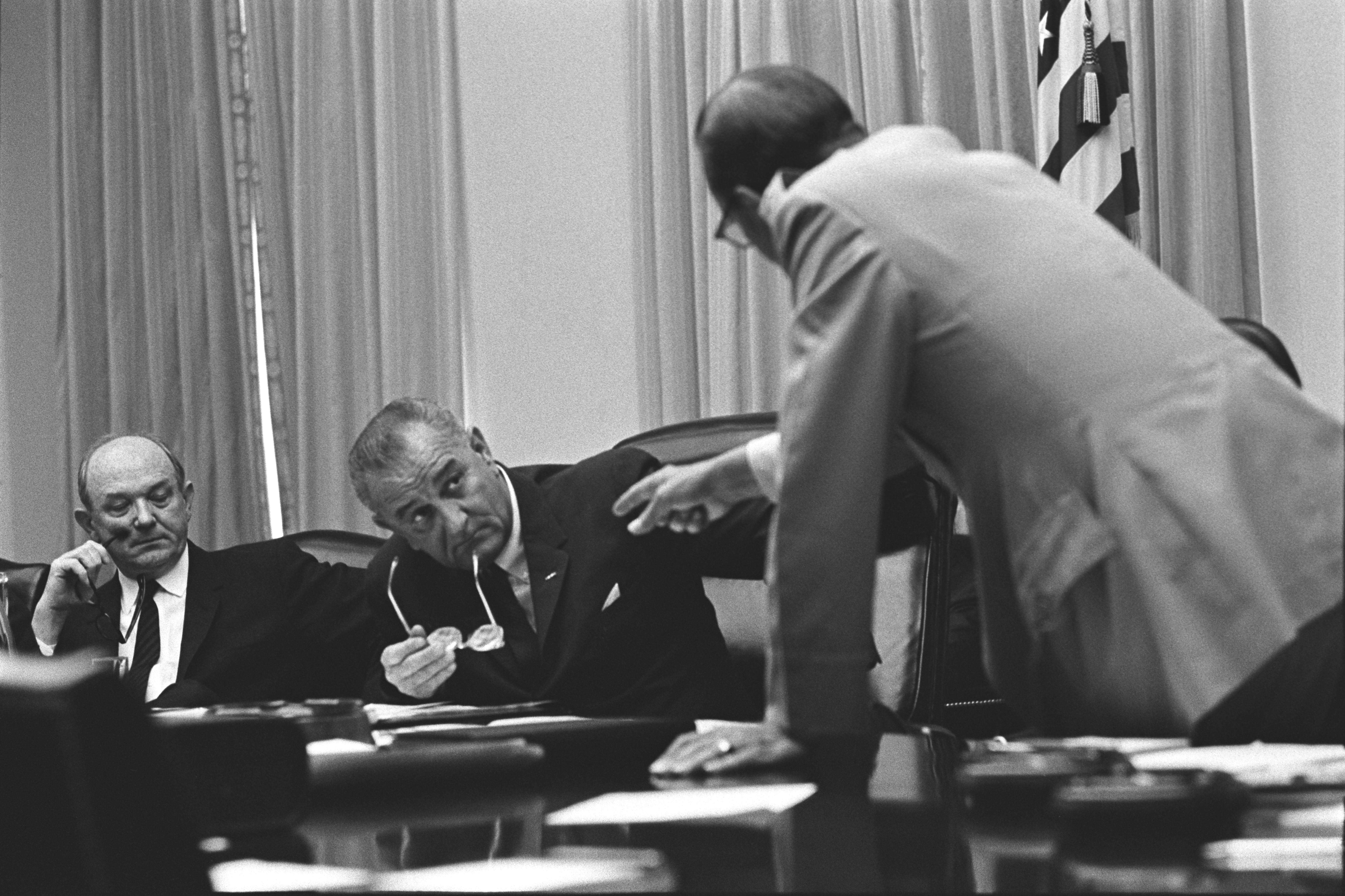
3. Asking the right questions can increase the odds of avoiding mistakes, but it cannot guarantee success. Eliot has seven questions he thinks every policymaker should ask when considering the use of military force. They include: How would this war fit in with the broader challenges the country faces? Who are you fighting, and what do they want? And what is the theory of victory? All seven questions seek to force policymakers to think through what they are proposing to do, test their assumptions, and anticipate how their decisions could go wrong. Something will inevitably go awry anyway, but carefully thinking through the possibilities beforehand prepares policymakers to handle surprise and avoid the most predictable mistakes.
Eliot acknowledges his seven questions provide no guarantee that policymakers will get things right. Some developments simply cannot be anticipated given the complexity of warfare. And he argues that policymakers are likely to find his questions most helpful if they know their history because “history does teach a certain kind of humility and dare I say it, wisdom, about the mutability of human affairs.”
Eliot and I also discussed how strategy differs from planning, how Ulysses S. Grant differed from other Union generals, what Eliot’s seven questions mean in practice, and why a good night’s sleep and a liberal arts education might be a strategist’s best friends. I encourage you to listen to the episode and to read The Strategist: How to Think About War and Politics. Our thirty-six-minute discussion could not do justice to all the detailed and historically informed arguments that Eliot makes.
Oscar Berry and Asher Ross assisted in the preparation of this article.
This work represents the views solely of the author(s). The Council on Foreign Relations is an independent, nonpartisan membership organization, think tank, and publisher, and takes no institutional positions on matters of policy.